What is Parkinson’s Disease?
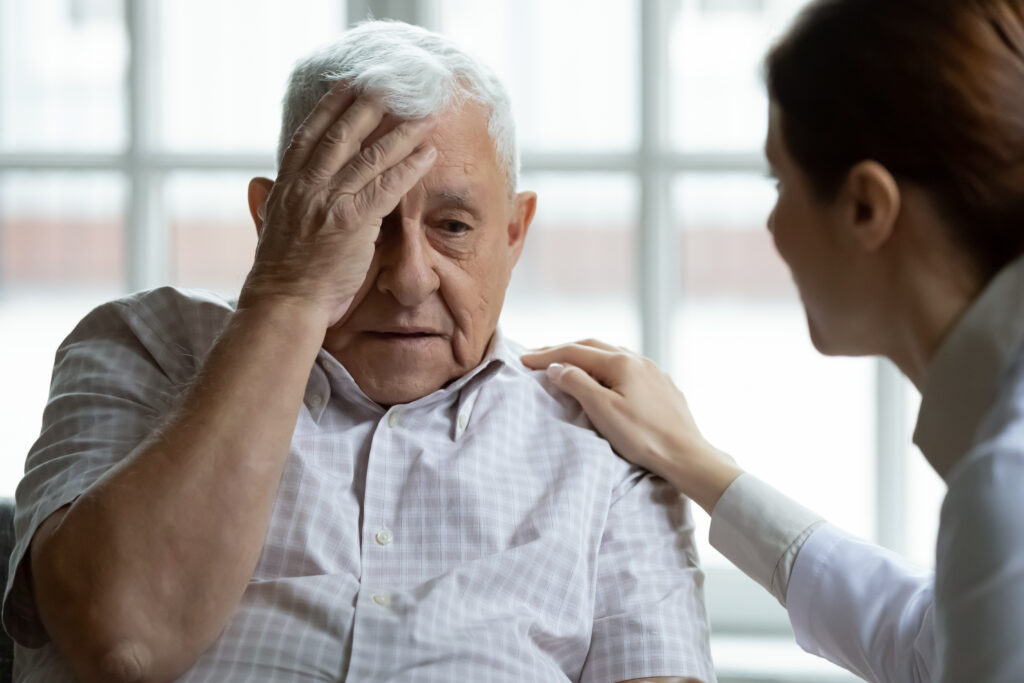
Parkinson’s Disease is a brain disorder that affects movement. It happens when certain nerve cells in the brain stop working or die. As a result, people may notice shaking, stiffness, or trouble with balance. Parkinson’s Disease is a long-term condition. It usually gets worse over time. Early signs of Parkinson’s Disease can be mild and easy to miss. However, getting help early can make a big difference. Neurology specialists often help diagnose and treat this disease.
Common Symptoms of Parkinson’s Disease
Symptoms of Parkinson’s Disease can vary from person to person. Still, some signs are more common. Early symptoms may be mild. Over time, they can become more noticeable. Here are some common symptoms:
Sometimes, people may also feel tired or have trouble sleeping. As the disease progresses, symptoms can affect daily life. But with the right care, many people manage well.
Causes and Risk Factors
Doctors do not know the exact cause of Parkinson’s Disease. However, several factors may increase the risk. For example, age is a big factor. Most people develop Parkinson’s after age 60. But younger people can get it too. Here are some known risk factors:
Although these factors can raise risk, many people with Parkinson’s Disease have no clear cause. Still, knowing your risk can help with early detection.
How is Parkinson’s Disease Diagnosed?
Diagnosing Parkinson’s Disease can be tricky. There is no single test for it. Instead, doctors look at your symptoms and medical history. Often, a neurology specialist will do a physical exam. They may also order brain scans to rule out other problems. Sometimes, doctors use special tests to check movement and balance. Early signs of Parkinson’s Disease can be subtle. So, it is important to see a doctor if you notice changes in movement or balance.
Treatment Options
While there is no cure for Parkinson’s Disease, many treatment options can help manage symptoms. Treatment plans are different for each person. Here are some common Parkinson’s Disease treatment options:
Doctors may adjust treatments as symptoms change. In addition, regular check-ups with a neurology specialist are important. With the right care, many people live active lives for many years.
Living with Parkinson’s Disease: Tips and Lifestyle Guidance
Living with Parkinson’s Disease can be challenging. However, many people find ways to stay active and independent. Here are some helpful tips:
Moreover, asking for help when needed can make daily life easier. Family and friends can offer support. Many communities have resources for people with Parkinson’s Disease.
Prevention and Early Detection
There is no sure way to prevent Parkinson’s Disease. Still, some healthy habits may lower your risk. For example, regular exercise and a healthy diet can help protect your brain. Avoiding exposure to harmful chemicals is also wise. Early detection is key. If you notice early signs of Parkinson’s Disease, such as tremors or slow movement, see a doctor right away. Early treatment can improve quality of life and slow disease progression.
If you notice symptoms of Parkinson’s Disease, consult a neurology specialist Sai Kiran Reddy for personalized advice. Early care can make a big difference in managing this condition.