What is Neuropathy?
Neuropathy is a condition that affects the nerves outside the brain and spinal cord. These nerves help control movement, feeling, and many body functions. When they are damaged, you may notice changes in how your body feels or moves. Often, people use the term “peripheral neuropathy” to describe this problem. According to the World Health Organization (WHO), neuropathy can affect people of all ages, but it is more common in older adults. Because nerves are important for daily life, it is helpful to understand neuropathy and how it can impact your health.
Common Symptoms of Neuropathy
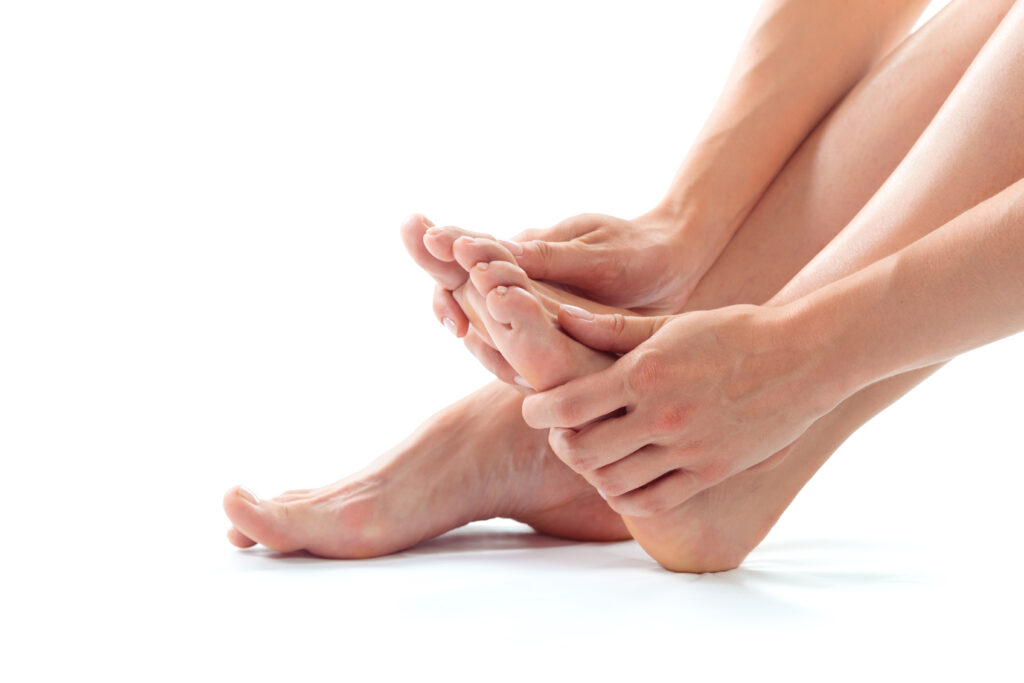
Neuropathy symptoms can vary, but many people notice changes in their hands or feet first. For example, you may feel tingling or numbness. Sometimes, symptoms can get worse over time. Here are some common signs to watch for:
However, not everyone will have all these symptoms. If you notice any of these signs, it is important to talk to your doctor.
Causes and Risk Factors
There are many reasons why neuropathy can develop. Sometimes, the cause is easy to find. Other times, it may not be clear. Here are some common causes and risk factors:
Additionally, having a family history of nerve problems can increase your risk. If you have any of these risk factors, you should be aware of the signs of neuropathy.
How Neuropathy is Diagnosed
Doctors use several steps to diagnose neuropathy. First, they will ask about your symptoms and medical history. Next, they may do a physical exam to check your strength, reflexes, and feeling in your skin. Sometimes, more tests are needed. For example, your doctor may order:
Because early diagnosis can help prevent further nerve damage, it is important to see your doctor if you notice symptoms.
Treatment Options for Neuropathy
Treatment for neuropathy depends on the cause. For example, if diabetes is the reason, controlling blood sugar can help. In many cases, treatment aims to manage symptoms and improve quality of life. Here are some common nerve pain treatment options:
Sometimes, doctors may suggest other treatments, such as nerve blocks or electrical nerve stimulation. However, not all treatments work for everyone. Your doctor will help you find the best plan for your needs.
Lifestyle Tips and Prevention
While not all cases of neuropathy can be prevented, healthy habits can lower your risk. Moreover, these tips can help manage symptoms if you already have neuropathy:
Additionally, regular check-ups can help catch problems early. For more neuropathy prevention tips, talk to your healthcare provider.
When to See a Neurologist
It is important to know when to seek help. If you notice new numbness, tingling, or pain in your hands or feet, see your doctor soon. Also, if your symptoms get worse or affect your daily life, a neurologist can help. Early treatment can prevent further nerve damage. For personalized advice on neuropathy, consult Dr. Sai kiran Reddy.